research.cheapSAME SCIENCE. LOWER BARRIERS.

Serious research tools. Without serious research-software prices.

Screen thousands of papers in a fraction of the time.

Bring your citations and inclusion criteria. Research.cheap recovers available evidence, applies your rules, automatically includes or excludes most records, and flags uncertain ones for you.

91.7%of citations were automatically included or excluded in our latest validation study
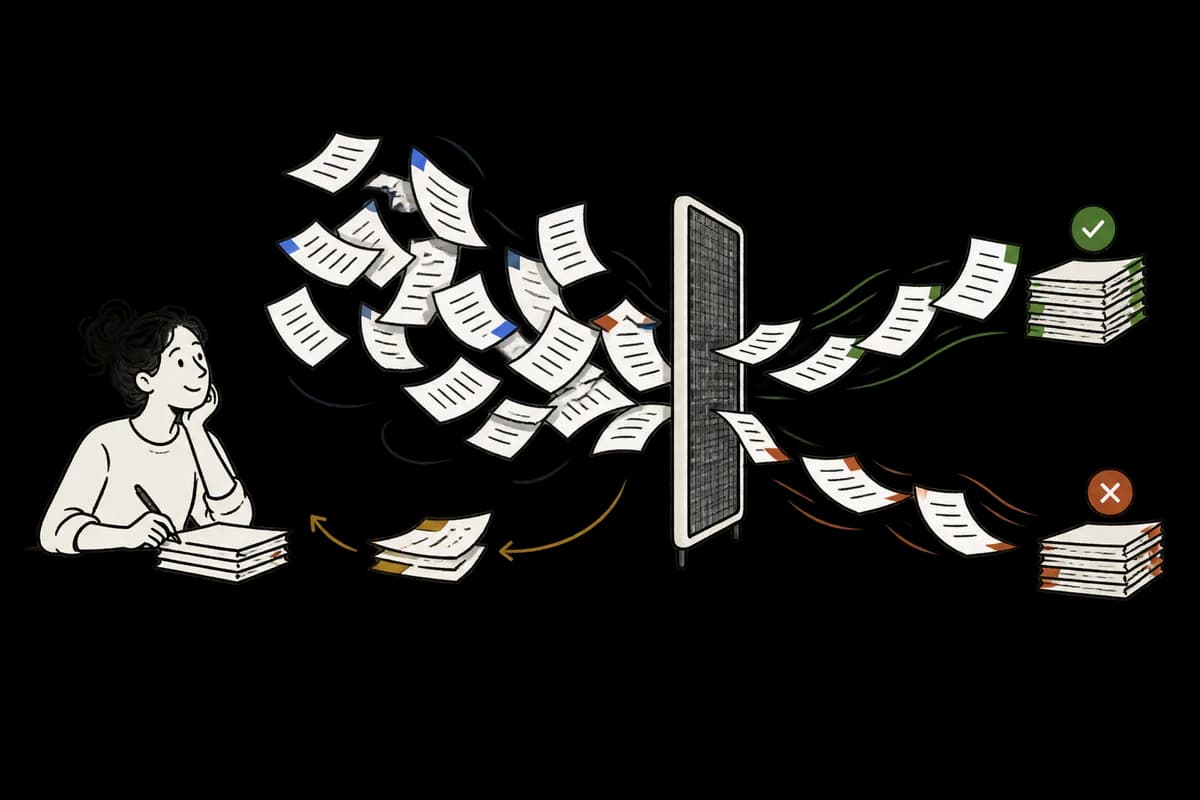
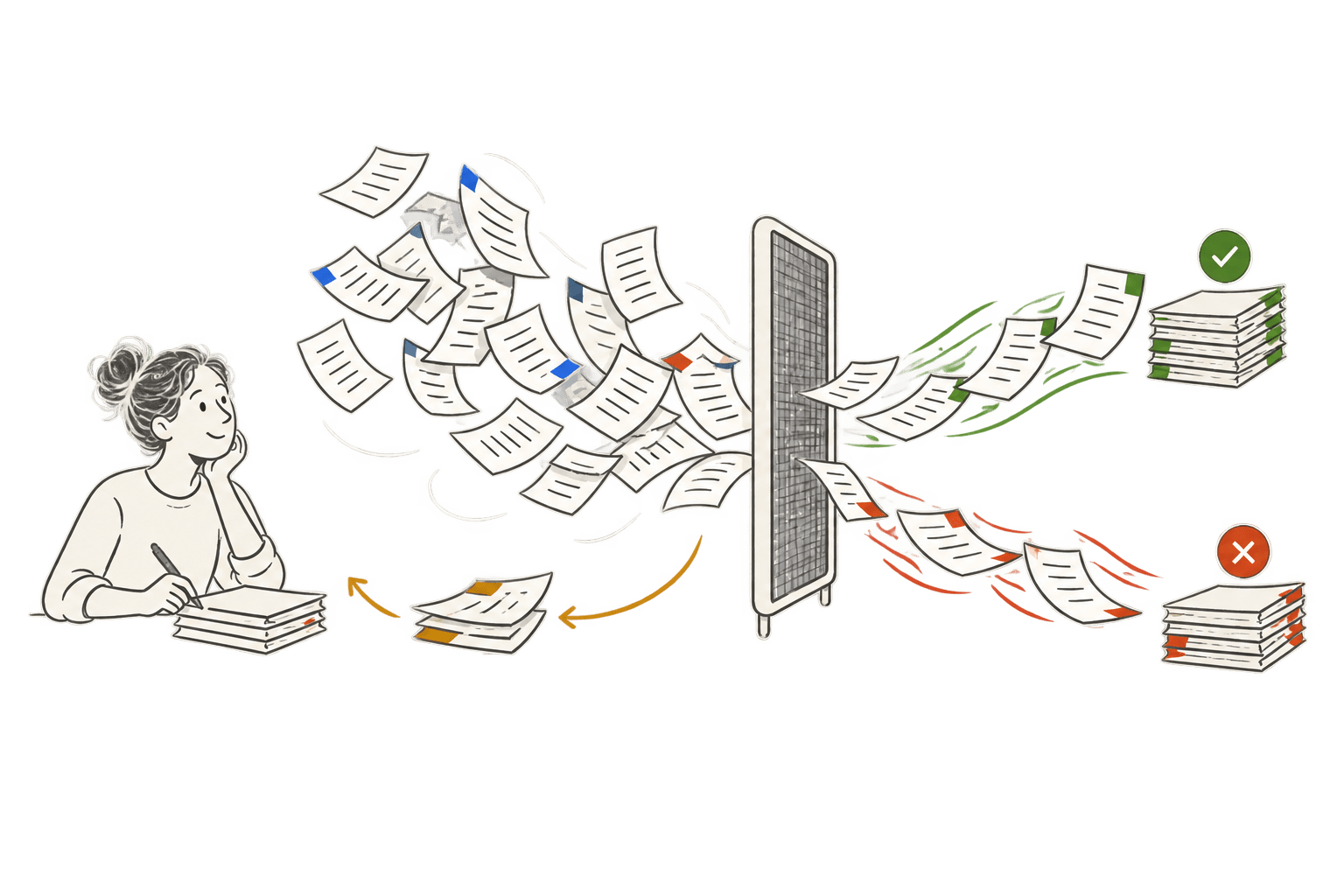
A researcher sends a large stack of citation papers through screening while only a few return for review.A researcher sends a large stack of citation papers through screening while only a few return for review.Citations in Most screenedUncertain ones flagged

Where Research.cheap fits

Keep your databases. Bring us the citations.

Research.cheap starts after your literature search and stops before full-text review.
1

Search

Use PubMed, Embase, Scopus, Web of Science, or the databases your protocol requires.

Export CSV · RIS · BibTeX

2research.cheap

Research.cheap

Import → Dedupe → Recover evidence → Apply criteria → Screen

Most citations included or excluded automatically
3

You

Check the uncertain citations, correct anything you need, then export an auditable result.

Continue to full-text review
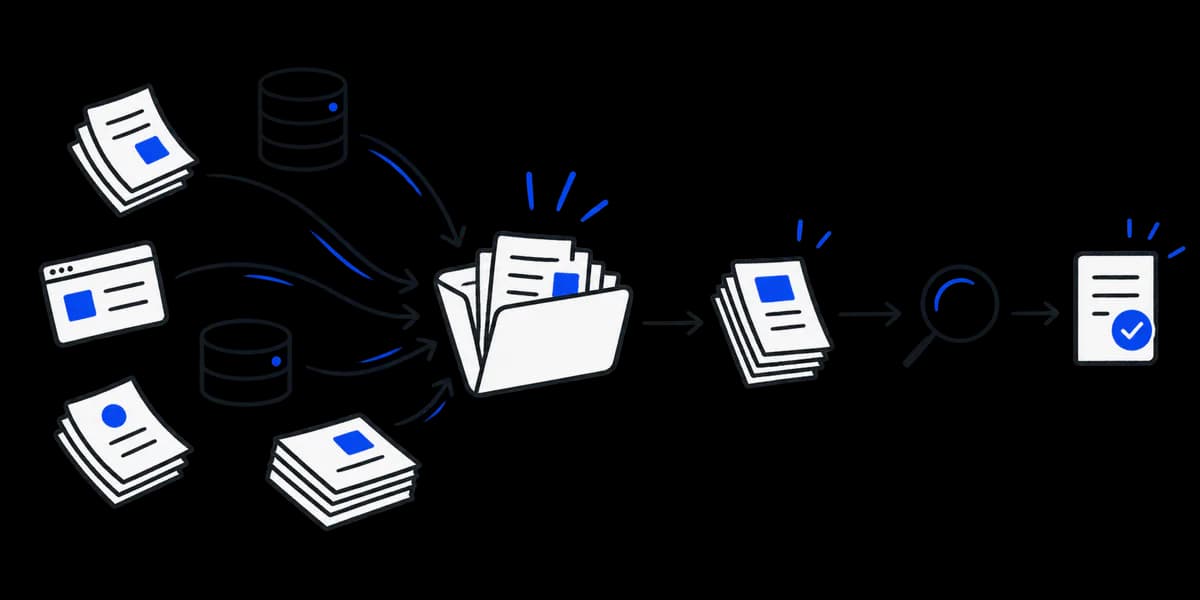
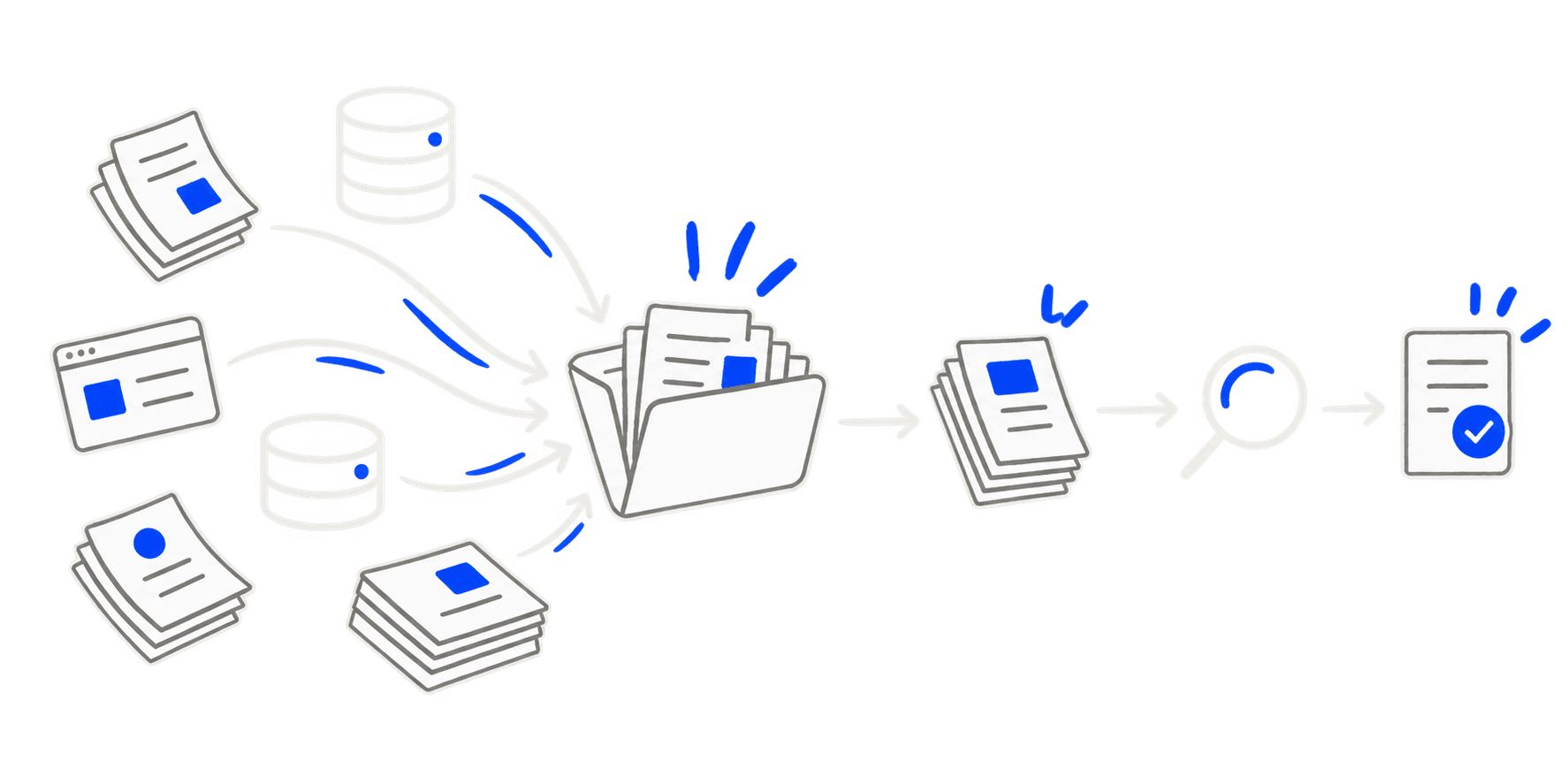
Citation files from several research sources converge into one screening workflow.Citation files from several research sources converge into one screening workflow.

An illustrative workload

Five thousand citations become about 417 for you to check.

Using the 91.66% automatic screening rate from our latest validation study:
5,000 100%citations imported
≈4,583 91.66%included or excluded automatically
≈417 8.34%flagged for your review when uncertain
A researcher calmly checks a small review pile beside a much larger completed stack.A researcher calmly checks a small review pile beside a much larger completed stack.
Illustrative arithmetic using the overall validation rate, not a guarantee for every review or subject.

Built for title and abstract screening
Evidence in. Inspectable decisions out.

Research.cheap does more than label a title. It prepares the dataset, looks for safely available missing evidence, tests each record against your criteria, and preserves why every route happened.
  • Import and clean CSV, RIS, and BibTeX records, with deterministic duplicate checks.
  • Recover evidence from supported sources without treating a failed search as evidence against a study.
  • Apply your criteria with probabilities, evidence, and exclusion reasons kept inspectable.
  • Route uncertainty to you instead of forcing a confident-looking answer.
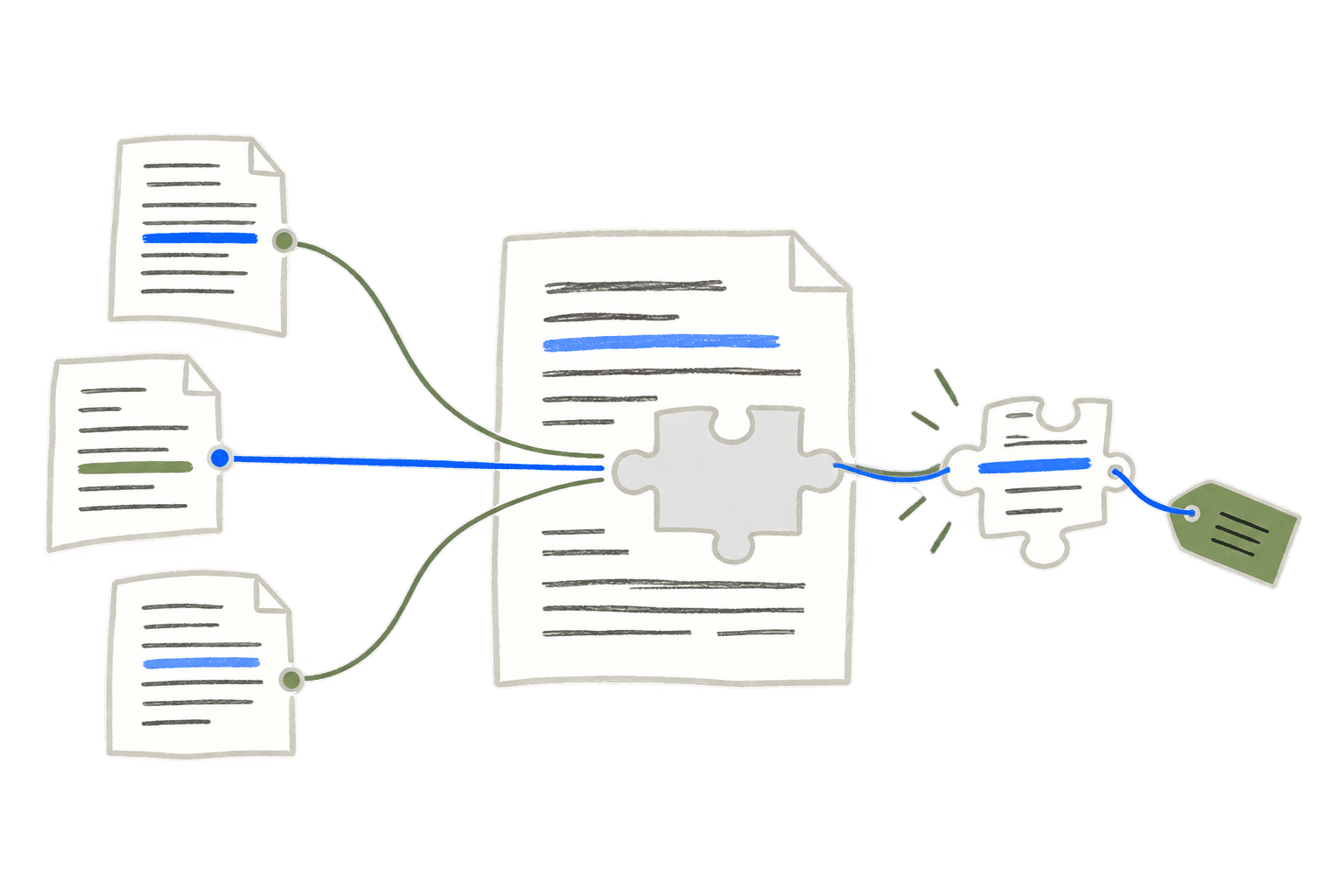
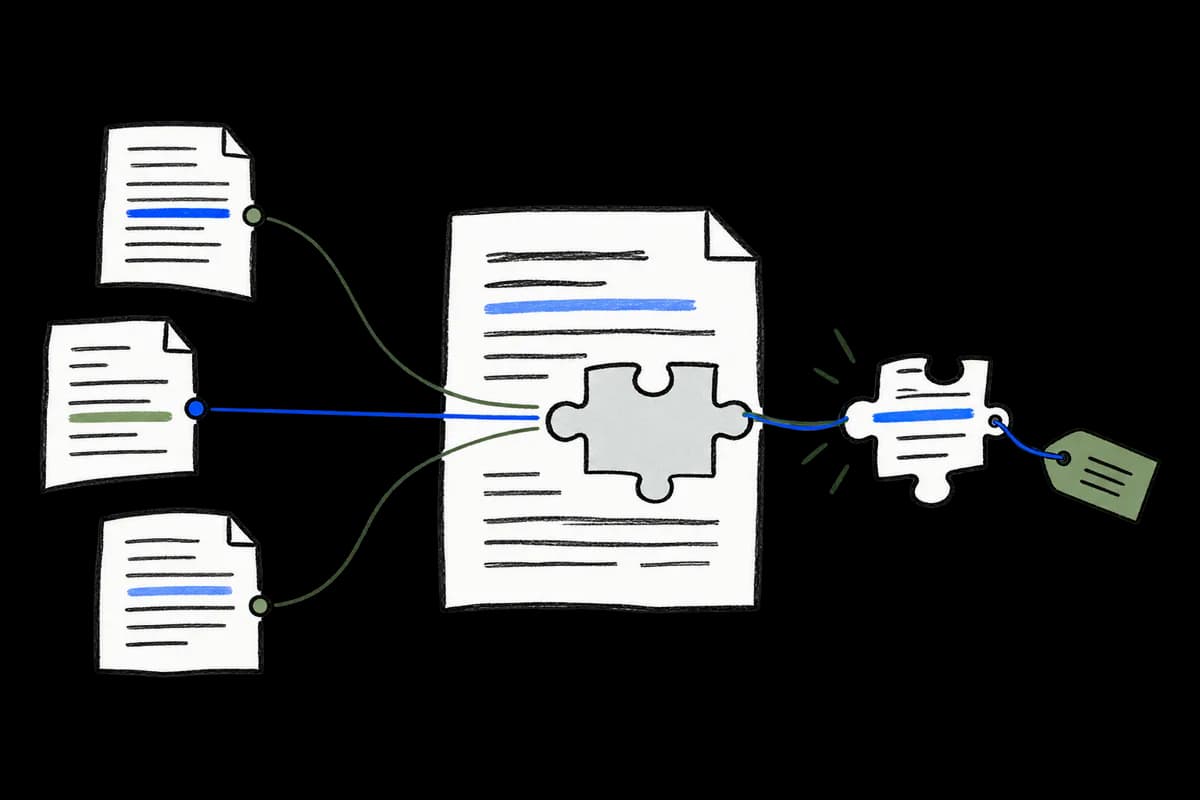
A missing section of a citation is recovered from source paths and retains a provenance tag.A missing section of a citation is recovered from source paths and retains a provenance tag.
Recovered abstractSource and timestamp retainedEvidence stays traceable

Our latest internal validation

What happened across 12,668 citations.

We ran Research.cheap across six systematic reviews. It screened most citations automatically and sent uncertain ones to a person. Results vary by subject and review.
91.66%received an automatic include or exclude decision
8.34%were flagged for a person to review
99.57%of studies researchers considered relevant were kept
99.91%of automatic exclusions matched the review decisions
How the study worked

We locked the system before testing and compared every result with the researchers’ final screening decisions. These numbers cover title and abstract screening—not the entire systematic review.

A fairer unit of value

Pay for useful work, not attempts.

No expensive annual seat just to screen one review. A Research Credit is used only when Research.cheap completes an automatic screening decision.

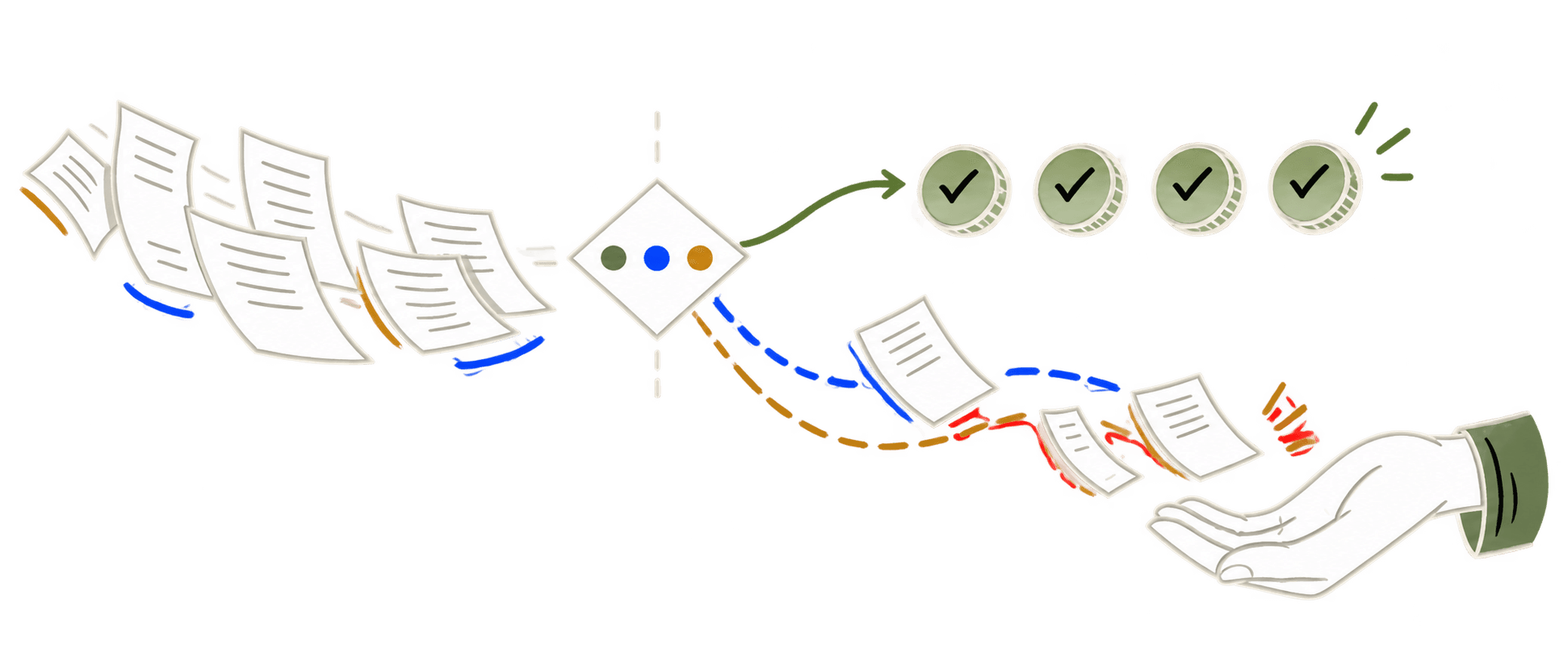
Automatic decision completedOne screening credit

Sent to human reviewZero screening credits

Recovery attempt finds nothing usefulNo completed screening work charged
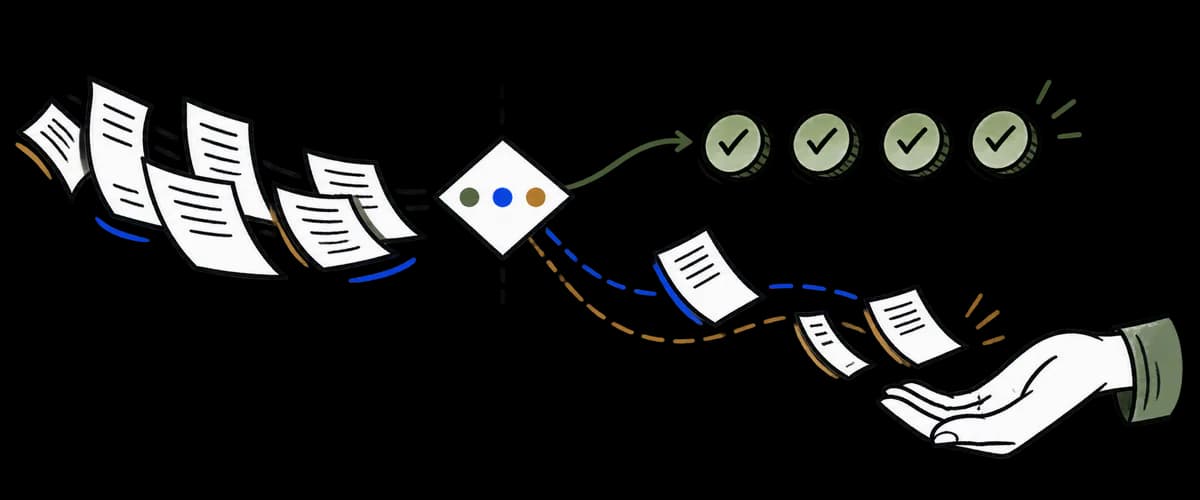
Completed automatic decisions become credit tokens while uncertain papers pass to a researcher without a token.Completed automatic decisions become credit tokens while uncertain papers pass to a researcher without a token.

One affordable research toolkit

Screen is the flagship. The supporting tools share the workload.

Import once, then prepare, inspect, screen, and classify from the same research workspace.

Prepare

  • DedupeGroup exact DOI, PMID, and title matches for review.
  • Study TypeAutomatically classify study designs or mark them Unclear.
  • Criteria CheckCatch duplicate and compound eligibility rules.

Find and verify

  • Search CheckCheck Boolean structure and named-concept coverage.
  • Evidence FinderDiscover records in Europe PMC.

Screen

  • ScreenAutomatic, auditable title-and-abstract screening.
  • TriagePrioritise what to read next.
  • Exclusion AuditFind contradictions and recheck exclusions.

Classify

  • Bulk ClassifyAutomatically apply your labels across a dataset.

Researcher control stays visible

Automation you can audit, correct, and take with you.

Auditable decisionsCriteria evidence, probabilities, and exclusion reasons remain attached to each record.

Honest uncertaintyUncertain records go to review. Missing evidence is never treated as evidence against a study.

Portable resultsYour corrections remain separate from automatic output, and final results export to common research formats.

What is here—and what comes next

The affordable research toolkit is already useful. It is not finished.

Today, Research.cheap is strongest at systematic-review title and abstract screening, supported by focused preparation, checking, evidence, and classification tools. More research workflows will come later; we will label them when they exist.Explore today’s tools
An open research toolkit holds citation, checklist, search, tag, and export tools, with one empty space for future additions.An open research toolkit holds citation, checklist, search, tag, and export tools, with one empty space for future additions.

Questions

Clear answers. No sales call.

Does Research.cheap search the literature for me?

No. Keep using the databases your protocol requires. Export the citations, then bring them to Research.cheap for preparation and title and abstract screening.

Does it replace researcher judgment or full-text review?

No. It makes routine include and exclude decisions, flags uncertain citations for you, and keeps every result correctable. It does not make final full-text or clinical conclusions.

What do the validation numbers mean?

In our latest study, Research.cheap screened 12,668 citations from six systematic reviews. It automatically included or excluded 91.66% and flagged 8.34% for a person to check. Results vary by subject and review.

Can I buy credits now?

Not yet. Dodo checkout remains test-only. No live purchase or real charge is available until commercial pricing is approved.

What happens to uploaded screening files?

Screen and Exclusion Audit save projects to your account in Supabase. Records being evaluated pass through the Research.cheap server to TypeSafe Jev. Secret credentials remain server-side. See the privacy page for the full data flow.

Bring the citations. Keep the judgment.

Let Research.cheap handle the screening workload.

Start screening free 500 Research Credits included. No live payment required.